
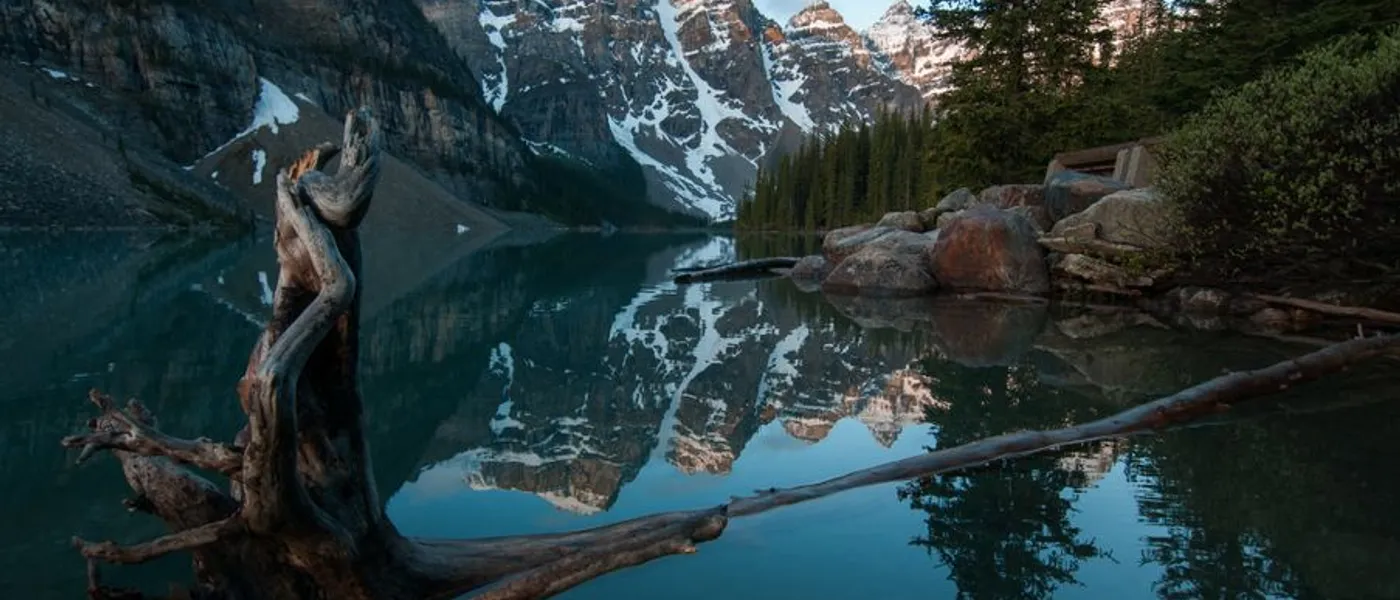
Corsica is one of Europe's top canyoning destinations. The island boasts over 200 catalogued canyons, carved into granite by millennia of erosion. Torrents plunge down from ridges rising above 2,000 metres, sculpting spectacular gorges where waterfalls, emerald pools, and water-polished natural slides follow in rapid succession. The Bavella area, in the south-east of the island, is home to the most famous and varied canyons in Corsica.
Bavella: the canyoning paradise of Corsica
The Bavella massif, crowned by its red granite needles reaching 1,855 metres, is the birthplace of Corsican canyoning. The torrents that spring from its slopes have carved gorges of extraordinary beauty through pink and grey granite rock. Crystal-clear water, turquoise-tinted pools, and sculpted rock formations create a natural setting unmatched anywhere in the Mediterranean.
The Col de Bavella (1,218 m) serves as the starting point for numerous canyons. From the D268, the winding road that climbs from Solenzara on the east coast or from Zonza inland, the main sites are reached after a 15 to 45-minute approach walk. The Bavella region provides a spectacular mountain backdrop that enhances the canyoning experience.
The best canyons in the Bavella area
Purcaraccia: the jewel of Corsican canyoning
Purcaraccia is arguably the most photographed canyon in Corsica. Its 400-metre descent unfolds through polished granite, punctuated by spectacular natural slides and pools of an almost surreal blue. The canyon is rated medium difficulty (grade v3 a3 II) and is suitable for anyone in reasonable physical shape.
The full descent takes between 3 and 5 hours depending on the group's level. Highlights include a 12-metre slide plunging into a deep pool, several optional jumps of 3 to 8 metres, and abseils no longer than 15 metres. The approach walk from the Purcaraccia car park (on the Col de Bavella road) takes about 45 minutes.
Polischellu: the spectacular canyon
The Polischellu waterfalls form a major canyon at the foot of the Bavella massif, accessible from the village of Quenza. The full canyon, stretching 2.5 km with 300 metres of vertical drop, is reserved for experienced practitioners (grade v4 a4 III). It features impressive abseils reaching 35 metres alongside thundering waterfalls.
A shorter version of Polischellu, accessible to beginners accompanied by a guide, lets you enjoy the most beautiful pools and a few jumps without tackling the most technical sections. This half-day option is particularly popular with families and mixed-ability groups.
La Vacca: the fun canyon
The Vacca canyon is the ideal route for a canyoning introduction. Located below the Col de Bavella, it offers a succession of slides and small jumps into crystal-clear pools, with no technical abseils. The descent takes 2 to 3 hours and is suitable for children from age 8 who can swim. It is the first canyon that guides typically recommend to families.
Piscia di Ghjallu: the sporting challenge
This technical canyon, situated in the Ospedale massif south of Bavella, offers a sporty descent with successive abseils through a narrow and wild gorge. Rated v4 a5 III, it is aimed at experienced practitioners and features abseils of 20 to 40 metres alongside powerful waterfalls. The Piscia di Ghjallu canyon is an excellent progression for those who have already tackled more accessible routes.
Other outstanding canyons in Corsica
Restonica canyons
The Restonica valley, near Corte in the centre of the island, is home to several canyons set within a magnificent mountain landscape. The Verghellu and Tavignanu canyons offer varied routes through deep granite gorges. Water flow is generally stronger than at Bavella, adding to the sporting character of these descents.
Cavu canyons
The Cavu river in south-east Corsica offers several routes through enclosed gorges accessible from Sainte-Lucie-de-Porto-Vecchio. The Cavu canyon is prized for its large swimming pools and slides amid dense maquis. It is an appealing alternative to Bavella on busy summer days.
Zoicu
Located in the Niolo valley, in the heart of Corsica, the Zoicu is considered one of the finest canyons on the island by specialists. Its high difficulty rating (v5 a5 IV) restricts it to very experienced practitioners. Vertiginous abseils, deep pools, and white-water sections make it an exceptional canyon that draws canyoneers from across Europe.
Difficulty levels and canyon grading
Canyons are rated on three criteria: verticality (v1 to v7), aquatic character (a1 to a7), and commitment (I to VI). For canyoning in Corsica, here are the benchmarks:
- Beginner (v2 a2 I-II): La Vacca, Cavu, guided Purcaraccia. Optional jumps, no abseils or short abseils. Accessible from age 8.
- Intermediate (v3 a3 II-III): Full Purcaraccia, Verghellu. Abseils up to 15 m, some committing sections. Good physical fitness required.
- Advanced (v4 a4 III-IV): Full Polischellu, Piscia di Ghjallu. Abseils of 20-40 m, white-water sections. Canyoning experience essential.
- Expert (v5+ a5+ IV+): Zoicu, Ruda. High commitment, waterfall abseils, white-water swimming. Reserved for seasoned canyoneers.
Conditions and ideal season
The canyoning season in Corsica runs from May to October, with conditions varying by period:
May-June: canyons are fed by snowmelt. Water flow is strong, waterfalls are impressive, but the water remains cold (10-14 degrees C). Thick wetsuits (5 mm) are essential. Aquatic routes are more committing than in summer.
July-August: the busiest period. Water warms up (14-18 degrees C), flow is moderate, and conditions are optimal for families and beginners. Booking in advance is essential as slots fill up quickly. Popular canyons like La Vacca or Purcaraccia can be crowded: opt for early morning departures.
September-October: the best compromise between crowd levels and conditions. The water is still pleasant, groups are smaller, and the autumn light brings out the beauty of the granite gorges. Watch out for early-autumn rainy spells that can swell the torrents rapidly.
Practical tips for canyoning at Bavella
Getting there
The Col de Bavella can be reached from Ajaccio (2 h 30 via the RN196 then D268 through Solenzara), from Porto-Vecchio (1 h 30 via the D368 through Zonza), or from Corte (2 h via the RN198 then D268 through Solenzara). The road to the pass is narrow and winding but rewards with magnificent panoramas.
What to bring
Technical equipment (wetsuit, helmet, harness, ropes) is provided by the operator. Bring: hiking shoes that can go in water (or rigid-soled water shoes), a swimsuit, water (at least 1.5 L), an energy bar, waterproof sunscreen, and a dry bag for personal belongings.
Safety
Never go canyoning alone or without a guide in canyons rated above v3 a3. Flash floods are the primary risk: a storm on the heights can transform a calm stream into a raging torrent in under an hour. Local guides know the warning signs and have real-time weather monitoring tools at their disposal.
To round out your adventure holiday, explore the other outdoor activities in Corsica or discover the waterfalls and natural pools that can be enjoyed without canyoning gear. Also check out our complete guide to plan your trip.
Frequently asked questions
What is the best canyon for beginner canyoning in Corsica?
When is the best time for canyoning in Corsica?
How much does a canyoning trip at Bavella cost?
Is canyoning dangerous in Corsica?
Ready to explore Corsica?
Check our guides to plan your excursions, hikes and boat trips to the most beautiful spots on the island.
See the full guide