
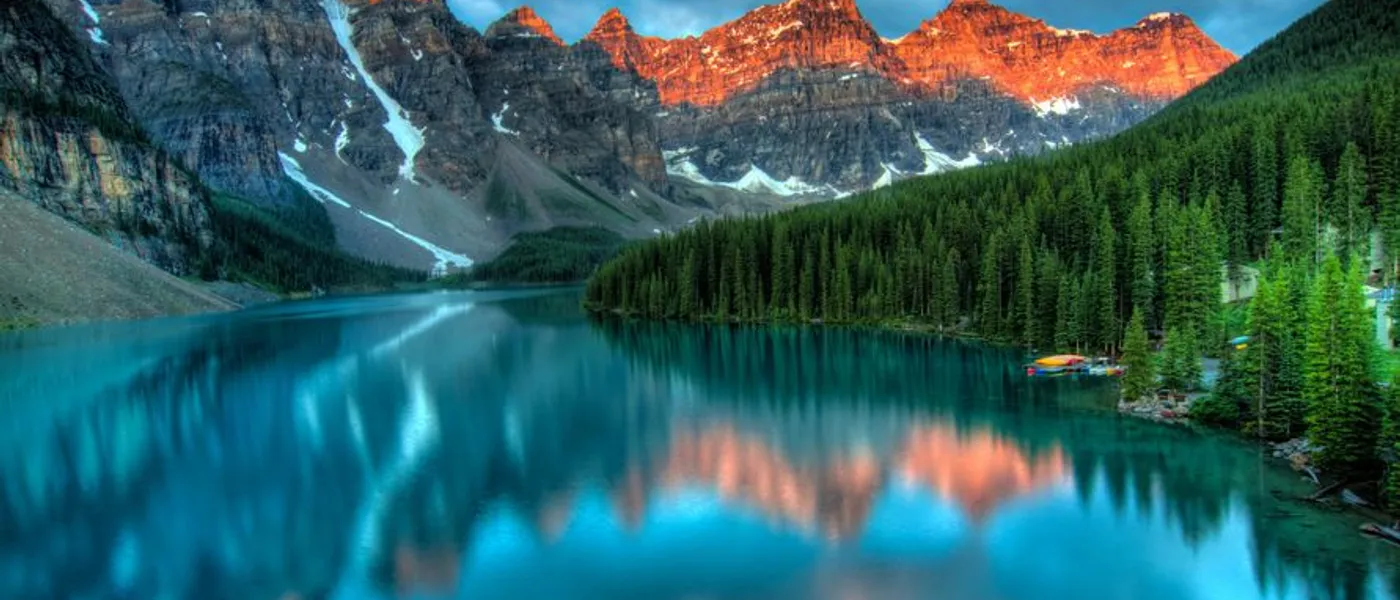
Corsica does not settle for being beautiful. It has to be earned, explored, climbed and discovered on foot, in the water or from the deck of a boat. The Isle of Beauty lives up to its name, but it could just as easily be called the Isle of Adventure: between granite ridges soaring above 2,700 metres and turquoise coves tucked into the maquis, every kilometre travelled delivers a different spectacle.
This guide gathers every excursion we have documented, tested and mapped to help you plan an active holiday on the island. Whether you have three days or three weeks, whether you are travelling as a couple, with friends or as a family, you will find an itinerary to suit you here. Each section links through to a full themed dossier with practical factsheets, difficulty ratings and field-tested advice.
Hiking: the beating heart of Corsica
You cannot talk about excursions in Corsica without mentioning hiking. The island is home to one of the world's most renowned long-distance trails: the GR20, a 180-kilometre route from Calenzana in the north to Conca in the south, crossing passes, ridges and snowfields over sixteen stages of raw, breathtaking beauty. But Corsica is far more than this single legendary trek.
Our hiking in Corsica guide covers the full range of options: from gentle trails accessible to families to the technical routes of the Bavella Needles, and multi-day crossings such as the Mare a Mare and Mare e Monti. The sheer variety of terrain means a novice hiker will find just as much enjoyment as a seasoned mountaineer. The Laricio pine forests of Vizzavona, stone shepherds' huts lost in the highland pastures of Niolo, sweeping gulf views from the Monte Rotondo ridgeline: every stage is an invitation to keep walking.
For walkers who want to immerse themselves in the interior without the demands of the GR20, the Mare a Mare trails offer a remarkable alternative. They cross the island from east to west through centuries-old chestnut groves, rushing streams and villages where time seems to have stood still. Our dossier details stages, accommodation and possible variations.
Adventure activities: pure adrenaline
Corsica's rugged terrain makes it a natural playground for adventure sports. Deep gorges carved by rivers into granite create ideal conditions for canyoning, with sequences of natural slides, jumps into emerald pools and rappels down thundering waterfalls.
Our adventure activities in Corsica section covers four major disciplines. Canyoning in the Bavella area is arguably the most intense experience the island can offer: the canyons of Purcaraccia, Polischellu and La Vacca string together spectacular passages inside a cathedral of stone. Via ferrata lets you traverse vertiginous rock faces in complete safety thanks to fixed cables and rungs. And for those who prefer gaining altitude without the physical effort, paragliding offers tandem flights above the maquis with unbeatable coastal panoramas.
Every activity is supervised by qualified professionals who know the terrain inside out. Our factsheets list required skill levels, approximate prices and operating seasons so you can plan without any surprises.
Waterfalls and natural pools: the cool heart of the maquis
After the effort, the reward. Corsica is brimming with waterfalls and natural pools where mountain water, filtered through granite, takes on an almost unreal shade of turquoise. These spots often form the highlight of a day's walk -- a swim in a wild setting you will never forget.
Our waterfalls and natural pools of Corsica guide catalogues the major sites. The Cascade des Anglais in Vizzavona is one of the most accessible: a twenty-minute forest walk leads to a chain of rock pools shaded by Laricio pines. The Purcaraccia natural pools require a bit more commitment, but the reward matches the effort: crystal-clear basins set within pink-granite gorges, with natural slides polished by millennia of erosion.
Higher up, the glacial lakes of Melo, Capitello and Nino reveal an entirely different face of Corsica's waterscapes. Lake Nino, fringed by pozzines -- spongy turf meadows unique in the Mediterranean -- looks like a fragment of tundra adrift under the Corsican sun. Lake Capitello, nestled in a rocky cirque at nearly 2,000 metres, sometimes does not thaw until June. These lakeside hikes rank among the finest on the island.
Boat trips: Corsica seen from the sea
Corsica's coastline stretches over 1,000 kilometres, alternating red cliffs, white-sand beaches, hidden coves and Genoese towers perched on windswept headlands. Some of these wonders are accessible only by sea, giving boat excursions a unique appeal.
Our boat trips in Corsica dossier covers four flagship destinations. The Scandola Reserve and the village of Girolata, a UNESCO World Heritage Site, are probably the most spectacular boat trip in the western Mediterranean: columns of red porphyry plunging into deep-blue water, sea caves, ospreys nesting in the cliffs. Just to the south, the calanques of Piana unfurl their wind- and spray-sculpted pink-granite spires -- a breath-taking sight from the water.
At the island's southern tip, the cliffs and caves of Bonifacio provide an equally dramatic backdrop: the medieval citadel seems to hang above the void, and sea caves carved into the limestone reveal extraordinary plays of light. Finally, the Lavezzi Islands, a granite archipelago set between Corsica and Sardinia, invite snorkelling in transparent waters teeming with grouper and sea bream -- a slice of the Caribbean in the Mediterranean.
Regions and villages: the authentic Corsica
Corsica is not just an outdoor playground. It is also a land of culture, pastoral traditions and fortified villages where every alley tells a story. Exploring the island's distinct micro-regions means understanding why Corsicans are so deeply attached to their homeland.
Our regions of Corsica guide takes you through five areas, each with its own personality. The Bavella region, with its razor-sharp needles and centuries-old pine forests, is a paradise for hikers and climbers. The Cap Corse road unfurls a wild coastline punctuated by Genoese towers, abandoned fishing harbours and terraced vineyards. The Balagne and its hilltop villages blend architectural heritage, craftsmanship and olive groves stretching to the horizon.
In the heart of the island, Corte and central Corsica embody the island's mountain soul: a citadel overlooking the Tavignano gorges, enclosed valleys of Niolo, isolated shepherds' huts reachable only on foot. And on the west coast, the Gulf of Porto and the Piana area hold some of the most photographed landscapes in the Mediterranean, between red calanques and fragrant maquis.
Practical tips to plan your excursions
A successful excursion starts with good preparation. Corsica offers exceptional conditions, but its terrain, changeable weather and winding roads call for a minimum of planning. Our practical tips section covers everything you need to know before setting foot on the island.
The first crucial question: when to go? The answer varies by activity. High-mountain trails are fully open only between June and October, while boat trips and waterfalls are best enjoyed in July and August. Spring and autumn provide ideal conditions for mid-altitude hikes and village exploration, with the bonus of fewer crowds.
Gear also deserves careful attention. Corsica is not a Himalayan trek, but the mountain trails demand proper hiking boots, effective sun protection and enough water. Our checklist details exactly what to pack based on the duration and difficulty of your excursion.
If you are travelling with children, our family excursions guide selects activities suited to every age group, from riverside walks to mini coastal cruises. And to settle the age-old dilemma, our guided vs. independent comparison weighs the pros and cons of each option by activity type.
How to use this guide
This site is organised into six complementary themes. Each main section -- hiking, adventure, waterfalls, sea, regions, practical -- is a standalone dossier with its own detailed factsheets. You can browse from one to another as you wish, or follow a logical path starting with the practical tips if this is your first trip to Corsica.
Every page includes difficulty ratings, time estimates and access information. Internal links let you jump easily from an activity to a region, from a canyon to the nearest waterfall, from a hiking trail to the village where you can stop for the evening.
Corsica lends itself perfectly to multi-activity holidays. A single day can begin with a morning hike to a panoramic pass, continue with a dip in a natural pool after a picnic lunch, and end with an aperitif in a hilltop Balagne village watching the sunset over the Mediterranean. It is this versatility that makes the island an unmatched destination for active travellers of every level.
Corsica is a concentrated dose of raw nature. Every valley hides a torrent, every ridge opens a panorama, every bend in the trail holds a surprise. Take the time to lose yourself in it.
Frequently asked questions
What is the best time of year for excursions in Corsica?
Can you do excursions in Corsica with children?
Do you need a guide for excursions in Corsica?
What are the must-do excursions in Corsica?
What budget should I plan for excursions in Corsica?
Ready to explore Corsica?
Check our guides to plan your excursions, hikes and boat trips to the most beautiful spots on the island.
See the full guide