
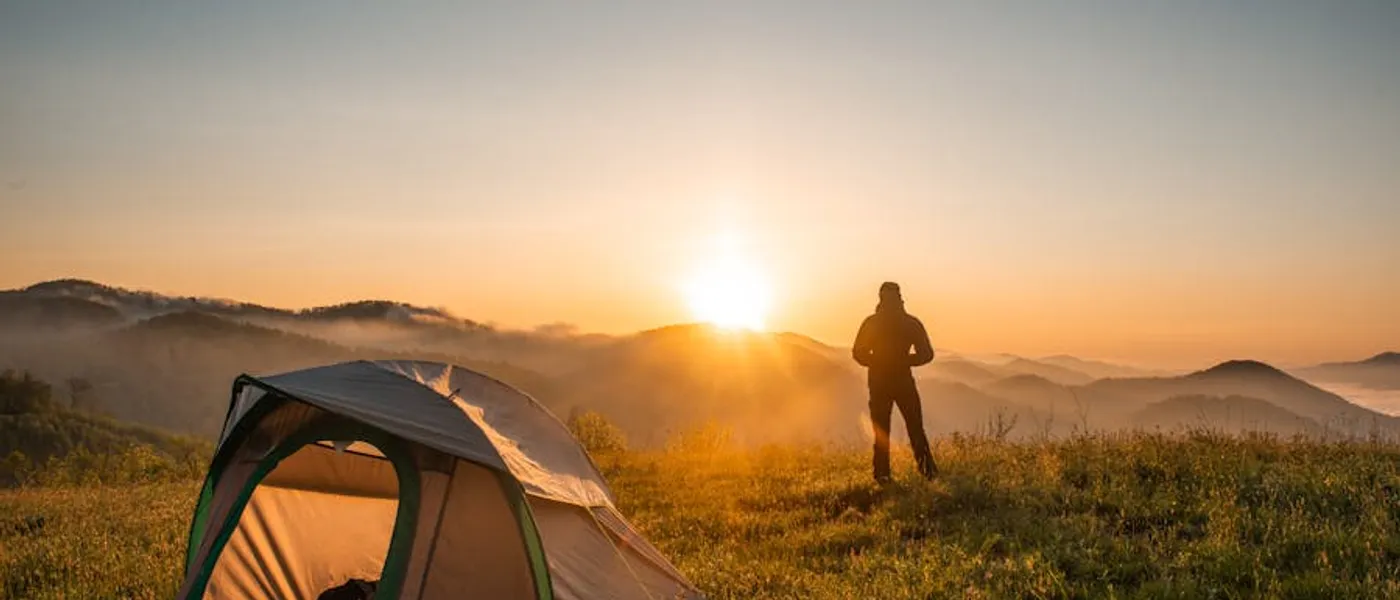
Going on excursions in Corsica is not something you can leave entirely to chance. The island offers an exceptional playground, but a little thoughtful preparation will transform a simple holiday into a truly memorable adventure. Whether you are planning a week of hiking through granite mountains, lazy days punctuated by boat trips, or a packed programme mixing canyoning with dips in natural pools, this practical guide gathers everything you need to know before setting foot on the island.
Choosing the right time for your excursions
The best season for Corsica depends on your priorities. Spring (April-June) brings a maquis in full bloom, mild temperatures and moderate visitor numbers. Summer (July-August) guarantees maximum sunshine and warm seas, but popular sites are crowded and prices soar. Autumn (September-October) combines still-warm seas, golden light and peaceful trails. Winter is mild on the coast, but the mountains are blanketed in snow and many accommodation options close.
For high-altitude hiking, the ideal window runs from June to September, when the mountain passes are clear and the refuges are open. Boat trips start in April and run through to late October, peaking in July-August. Canyoning and water sports are feasible from May to October, as the rivers are too cold and sometimes in flood the rest of the year.
Preparing your gear
Your gear directly affects the quality of your experience in the field. Corsica is an island of contrasts: intense heat on the coast, cool temperatures at altitude, technical rocky passages, river crossings. Proper equipment is therefore essential.
Hiking boots are the number one investment. Go for ankle-high models with aggressive tread, capable of withstanding the abrasive granite of Corsican trails. A daypack of 25-35 litres is sufficient for day hikes; plan 50-65 litres for multi-day treks. Never forget a generous water supply (minimum 2 litres per person in summer), effective sun protection (SPF 50, hat, sunglasses) and a lightweight waterproof jacket for the sudden mountain thunderstorms.
For specialist activities such as canyoning or via ferrata, technical gear is provided by the operators. However, bring your own swimsuit, water shoes and quick-drying clothing.
Corsica with children
The island is perfectly suited to family holidays. Children love splashing in rivers, swimming in crystal-clear natural pools and strolling along coastal paths with views over the turquoise Mediterranean. Many short hikes (1 to 2 hours) are accessible from age 4-5, such as the forest trails of Vizzavona or walks around the mountain lakes.
For families, pace is key. Avoid long walks in the blazing sun and favour morning outings that finish at a swimming spot. Boat excursions are also hugely popular with children, provided you choose a suitable vessel (stable catamarans rather than fast inflatables). Sea kayaking is another option, accessible from age 6-7 in a tandem with an adult.
Guided or self-guided: what to choose?
This question comes up every time. The answer depends on your experience, the activity you have in mind and your appetite for improvisation. Our detailed comparison analyses each scenario, but here are the key points.
Self-guided: most Corsican hiking trails are well marked and well documented. With an IGN 1:25,000 map, an offline GPS app and a minimum of preparation, you can tackle the trails with confidence. Going solo gives you complete freedom over schedule and pace.
With a guide: certain activities demand professional supervision. Canyoning, via ferrata and diving outings all require a certified guide. For the GR20, a mountain guide adds significant value in terms of safety, logistics and terrain knowledge. Boat trips into nature reserves are exclusively run by licensed operators.
Getting to Corsica and travelling around the island
Reaching the island
Corsica is served by four airports (Ajaccio, Bastia, Figari, Calvi) and several ports (Ajaccio, Bastia, Porto-Vecchio, Bonifacio, L'Ile-Rousse, Calvi). Ferries from Marseille, Nice and Toulon offer crossings of 4 to 12 hours depending on the vessel type. In summer, services from Italy (Genoa, Livorno, Savona) are also available. The ferry lets you bring your own car, a major advantage for exploring freely.
Getting around on the island
A hire car remains the most practical way to travel around Corsica. Mountain roads are narrow and winding: always allow 30-50% more time than GPS estimates. A compact vehicle is preferable to a large SUV on the access tracks to trailheads.
The Corsican railway (Chemins de fer de la Corse) connects Bastia, Corte, Ajaccio and Calvi. The Ajaccio-Corte stretch passes through spectacular scenery and is an excursion in its own right. Seasonal buses serve certain tourist sites, but frequencies remain limited.
Accommodation: options for the active traveller
Your choice of accommodation directly influences the quality of your excursions. For itinerant hikers, the regional nature park refuges dot the GR20 and the long-distance trails. Booking is compulsory in high season (June-September). Gites d'etape on the Mare a Mare and Mare e Monti routes offer greater comfort with dormitories, showers and meals included.
For road-based touring, guest houses and holiday rentals offer the best comfort-to-price ratio. Position your base strategically: a central location cuts driving time and maximises hours spent on the trails or at sea. Corsica is small (180 km north to south), but mountain roads add considerably to journey times.
Camping is a popular budget option, but wild camping is strictly prohibited outside designated sites (fines are enforced, especially in protected areas). However, bivouacking is tolerated near GR20 refuges, on the designated pitches.
Safety and rules to follow
Corsica remains a wild island where nature sets the rules. A few safety guidelines are essential to your preparation.
- Weather: always check the forecast before every outing. Mountain thunderstorms can be violent and appear within minutes, especially on summer afternoons. If an amber or red alert is issued, postpone your excursion.
- Water: summer heat in Corsica is fierce. Always carry more water than you think you need and identify refill points on your route. In the mountains, springs are common but not always guaranteed in late summer.
- Flora and fauna: do not pick anything, do not disturb animals. The maquis is a fragile ecosystem. In summer, fire risk is extreme: never smoke on trails and do not light fires outside authorised areas.
- Mobile coverage: signal is very patchy, especially in the mountains and gorges. Always tell someone your planned route and expected return time. In an emergency, 112 works even without full coverage.
Planning your itinerary day by day
To get the most from your stay, build a programme that alternates effort and rest. A hard day's hiking can be followed by a morning on the beach and an afternoon boat trip. Here is a sample week-long plan for Corsica.
- Day 1: arrival and settling in, gentle orientation walk and a swim in the sea
- Day 2: full-day hike (6-7 hours) in the mountains
- Day 3: morning at natural pools, afternoon rest
- Day 4: boat excursion (nature reserve or sea caves)
- Day 5: canyoning or via ferrata in the morning, beach in the afternoon
- Day 6: exploring a region and its villages
- Day 7: easy hike and final swim
This outline can be adapted to the weather, your fitness level and operator availability. The key is to stay flexible: in Corsica, the best discoveries often happen on an unexpected path.
Our detailed practical guides
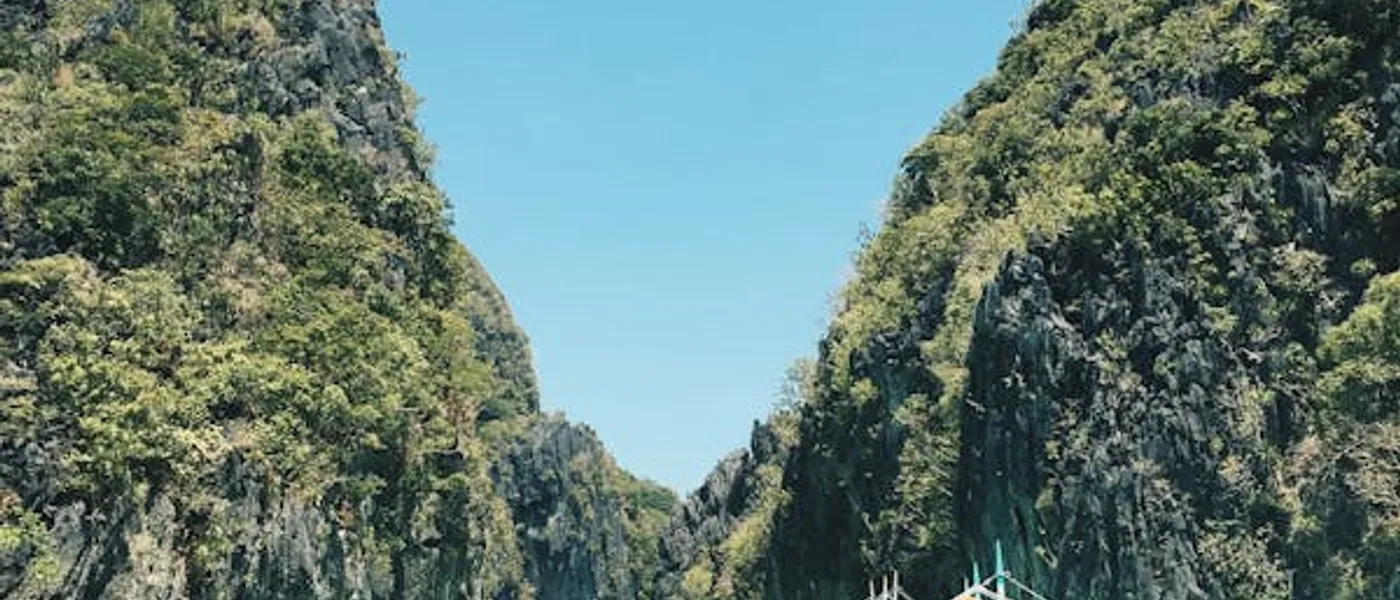
Best Season for Corsica
Weather, crowds and activities month by month. Choose the ideal time for your Corsica excursions.
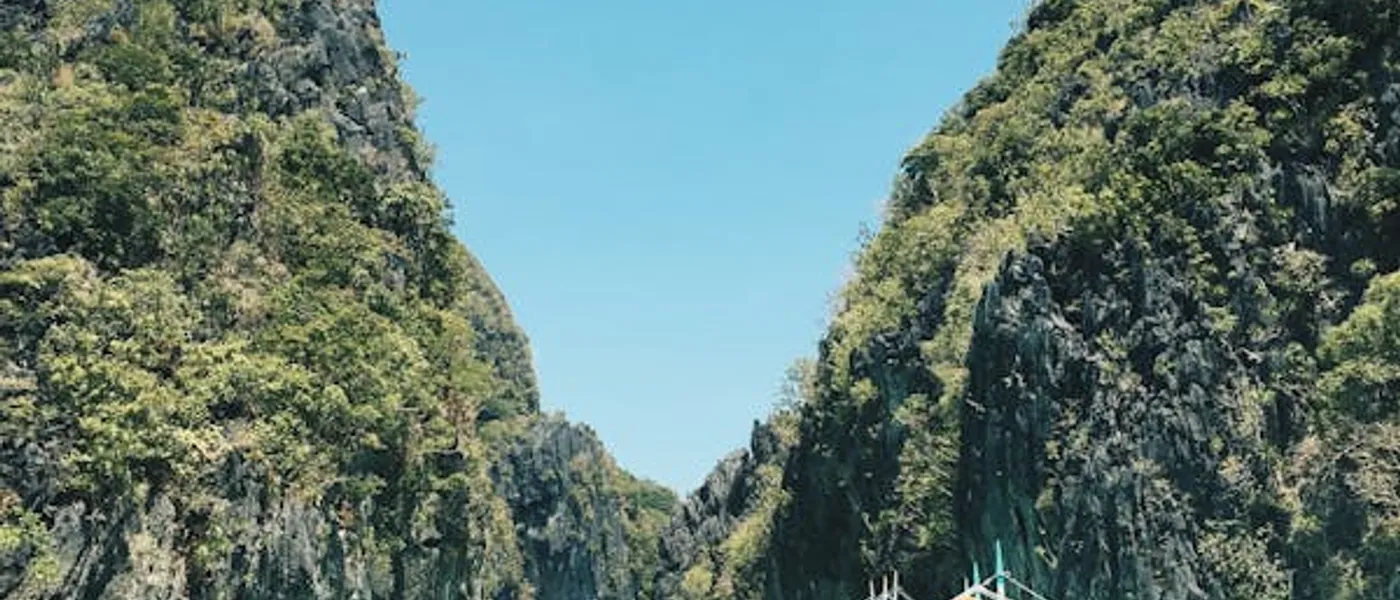
Corsica with Kids
Easy hikes, waterfalls and family-friendly activities. Everything for a successful holiday with children.
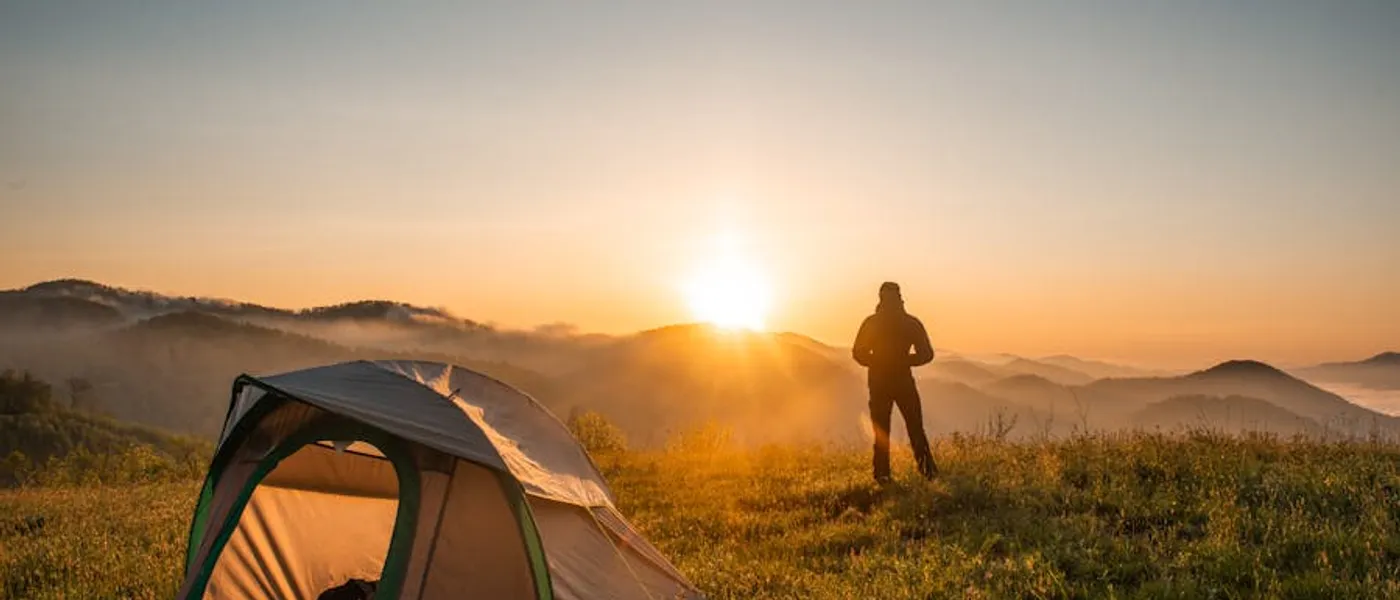
Hiking Gear Checklist
The complete checklist for hiking in Corsica: boots, pack, clothing, water and essential accessories.
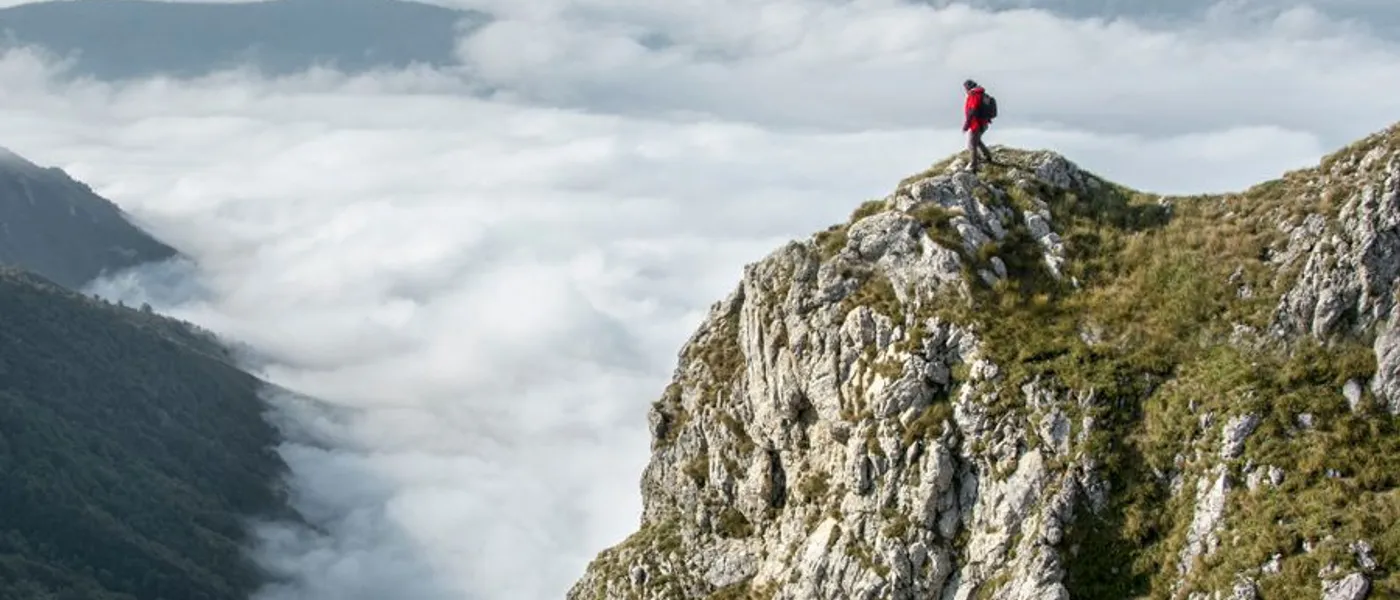
Guided or Self-Guided
Pros, costs and recommendations for choosing between guided excursions and self-guided outings in Corsica.
Every aspect of preparation deserves careful attention. Consult the themed guides above to go deeper on each topic. And for an overview of all excursions available in Corsica, our pillar page brings together every activity, from hikes to boat trips to must-see natural sites.
Frequently asked questions
How many days do I need to visit Corsica?
What budget should I plan for excursions in Corsica?
Do I need a car in Corsica?
Can I organise excursions without using an agency?
Ready to explore Corsica?
Check our guides to plan your excursions, hikes and boat trips to the most beautiful spots on the island.
See the full guide