
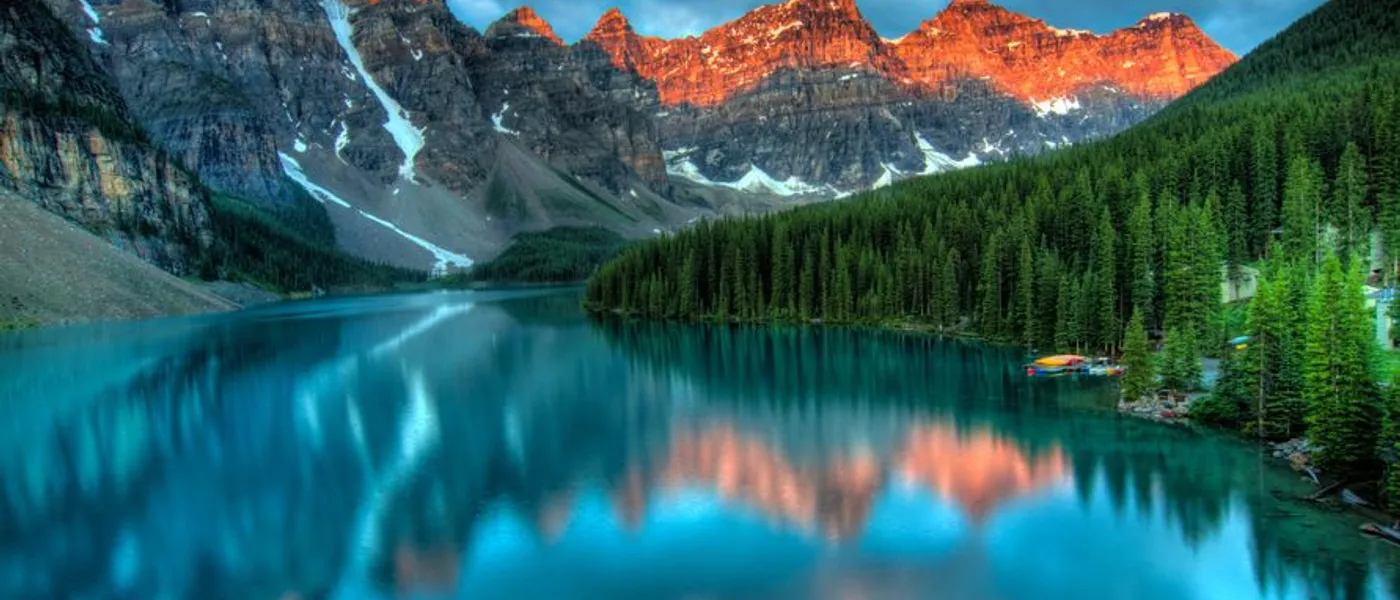
Corsica is far more than its beaches and turquoise coves. Deep in the mountain chain that runs the length of the island from north to south, glacial lakes slumber within granite cirques, fed by snowmelt and high-altitude streams. Among these treasures, three names come up time and again: Melo Lake, Capitello Lake, and Nino Lake. Each has its own distinct character, atmosphere, and level of accessibility, yet all share the raw beauty that has made Corsica's mountains legendary.
These lakes are natural waypoints for hikers exploring the natural pools and waterfalls of Corsica, as well as for those trekking the inland trail network. This guide covers the access, difficulty, unique features of each lake, and practical advice for making the most of your visit.
Melo Lake: the gateway to Corsica's high-altitude lakes
Perched at 1,711 metres above sea level in the Restonica valley, Melo Lake is the most accessible of Corsica's major glacial lakes. Its turquoise basin, set between walls of pink and grey granite, is a sight that takes your breath away from the very first glance. For many visitors it is their first mountain lake, and the sense of wonder is immediate.
Access and route
The hike begins at the Grotelle sheepfold, at the end of the D623 road that climbs the Restonica valley from Corte. The trail, marked in yellow, ascends through a landscape of boulders and Laricio pines. The climb is steady and presents no major technical difficulty, apart from a few rock slab sections that can be slippery after rain.
Allow around 1 hour of walking for 350 metres of elevation gain. The trail is manageable for walkers of all abilities, including children from age 7-8 who are accustomed to hiking. However, it is unsuitable for pushchairs and requires proper closed-toe hiking footwear.
Lake characteristics
Melo Lake covers approximately 3.5 hectares with a maximum depth of 15 metres. Its intense blue-green waters are fed by snowfields that can persist on the north-facing slopes of the cirque until July. The water temperature hovers between 10 and 15 degrees in summer, which deters most swimmers, though the hardiest take the plunge with relish.
The lake's shores offer numerous flat areas ideal for a picnic with a view. It is a place for contemplation as much as for hiking: the morning light is particularly beautiful here, with the granite reflected in the still water.
Capitello Lake: the hidden jewel above Melo
Sitting 200 metres higher than its neighbour at 1,930 metres above sea level, Capitello Lake is considered by many to be the most beautiful mountain lake in Corsica. Deeper, wilder, and hemmed in by vertical walls, it rewards hikers who have the resolve to push on beyond Melo.
The chain-assisted section
The ascent from Melo to Capitello follows a rocky gully equipped with metal chains. This section, visually impressive, demands a degree of confidence on steep terrain. Hands are needed to haul yourself up the rocks, and the drop below can unnerve anyone prone to vertigo.
Allow an additional 45 minutes to 1 hour beyond Melo, covering 220 metres of elevation gain. The difficulty is rated moderate to strenuous. Children under 10 and those uncomfortable in mountain terrain should turn back at Melo. In rain or thunderstorms, this section becomes dangerous and must be avoided entirely.
A lake of impressive dimensions
Capitello is Corsica's deepest lake at 42 metres. Its 5-hectare surface also makes it the largest of the island's glacial lakes. Its waters range from deep blue, almost black under overcast skies, to luminous turquoise in sunshine. The lake is frozen from November to May, and ice patches can linger on the northern shores well into June.
The atmosphere around Capitello is strikingly different from Melo: more austere, more mineral, with a silence broken only by the wind. It is a landscape that recalls the Alps, transplanted to the Mediterranean. Hikers on the GR20 trail encounter this same high-mountain atmosphere on the route's central stages.
Nino Lake: pozzines and landscapes from the British Isles
Entirely different from Melo and Capitello, Nino Lake presents an unexpected spectacle in the heart of the Corsican mountains. Situated at 1,743 metres above sea level on the Camputile plateau, this lake is surrounded by pozzines, those spongy grasslands dotted with small ponds that evoke the peat bogs of Ireland or Scotland.
Access from the Col de Verghio
The most common starting point is the Col de Verghio (1,477 m), the highest road pass in Corsica, on the D84. The trail, marked in orange, first crosses a forest of beech and pine before opening onto high-altitude pastures. The ascent is gradual, with no technical sections, but the length of the route demands reasonable fitness.
Allow 2.5 to 3 hours one way for approximately 450 metres of elevation gain. The trail shares a stretch with the GR20, which means it is well maintained and easy to follow. The hike is suitable for walkers accustomed to outings of 5 to 6 hours.
Pozzines: a unique ecosystem
The pozzines surrounding Nino Lake form a protected ecosystem of extreme fragility. These waterlogged grass formations harbour specialised flora and play a crucial role in regulating the plateau's water cycle. It is essential to stay on the marked trails and never walk on the pozzines, even when the surface appears dry.
The lake itself spans 6.3 hectares, making it the second largest in Corsica. Its modest depth (under 10 metres) and surrounding meadows lend it a pastoral atmosphere unlike any other site on the island. Free-roaming horses and cattle grazing around the lake complete the bucolic scene. It is a tableau you would not expect to find in Corsica, and that is precisely what makes it so magical.
Comparing the three lakes
To help you choose your hike, here are the key facts for each lake:
Melo Lake
Altitude: 1,711 m | One-way duration: 1 h | Elevation gain: 350 m | Difficulty: easy | Starting point: Grotelle sheepfold (Restonica valley)
Capitello Lake
Altitude: 1,930 m | One-way duration: 2 h from Grotelle | Elevation gain: 570 m | Difficulty: moderate to strenuous | Starting point: Grotelle sheepfold (via Melo)
Nino Lake
Altitude: 1,743 m | One-way duration: 2 h 30 - 3 h | Elevation gain: 450 m | Difficulty: moderate (distance) | Starting point: Col de Verghio (D84)
Practical tips for hiking to the lakes
Essential equipment
Sturdy ankle-high hiking boots are a must, particularly for Capitello where the rocky terrain requires good ankle support. Bring at least 1.5 litres of water per person, a windproof jacket (weather changes quickly at altitude), sunscreen, and a hat. For Capitello, trekking poles make the descent through the chain section easier.
Timing and crowds
In summer, the Restonica valley is besieged from 9 am onwards. The Grotelle car park fills up rapidly and traffic on the narrow road can become gridlocked. The solution: set off before 7:30 am or opt for a late-afternoon departure (returning at sunset). Nino Lake, being more remote, attracts fewer visitors and offers greater tranquillity.
Weather and safety
Corsica's high mountains are subject to rapid weather changes. A clear morning sky can cloud over within hours, bringing violent thunderstorms. Always check the forecast before setting out, and do not hesitate to turn back if conditions deteriorate. Altitude thunderstorms are dangerous, especially on ridges and exposed sections such as the Capitello approach.
Combining the lakes with other discoveries
A hike to the mountain lakes fits naturally into a trip exploring inland Corsica. From Corte, you can alternate a lake day with exploring the citadel and the Tavignano gorges. Experienced trekkers on the GR20 pass through these lake-dotted landscapes on the trail's central stages.
To round out your exploration of Corsica's wild waters, see our guide to waterfalls and natural pools: the pools of the Restonica, below the lakes, offer warmer bathing in an equally spectacular setting. And for the full picture of outdoor activities on the island, our complete excursions guide has everything you need.
Frequently asked questions
What is the best time to visit the mountain lakes in Corsica?
Can you swim in lakes Melo, Capitello and Nino?
How do the difficulty levels compare between Melo, Capitello and Nino?
Do you have to pay for parking to access the Restonica lakes?
Ready to explore Corsica?
Check our guides to plan your excursions, hikes and boat trips to the most beautiful spots on the island.
See the full guide