
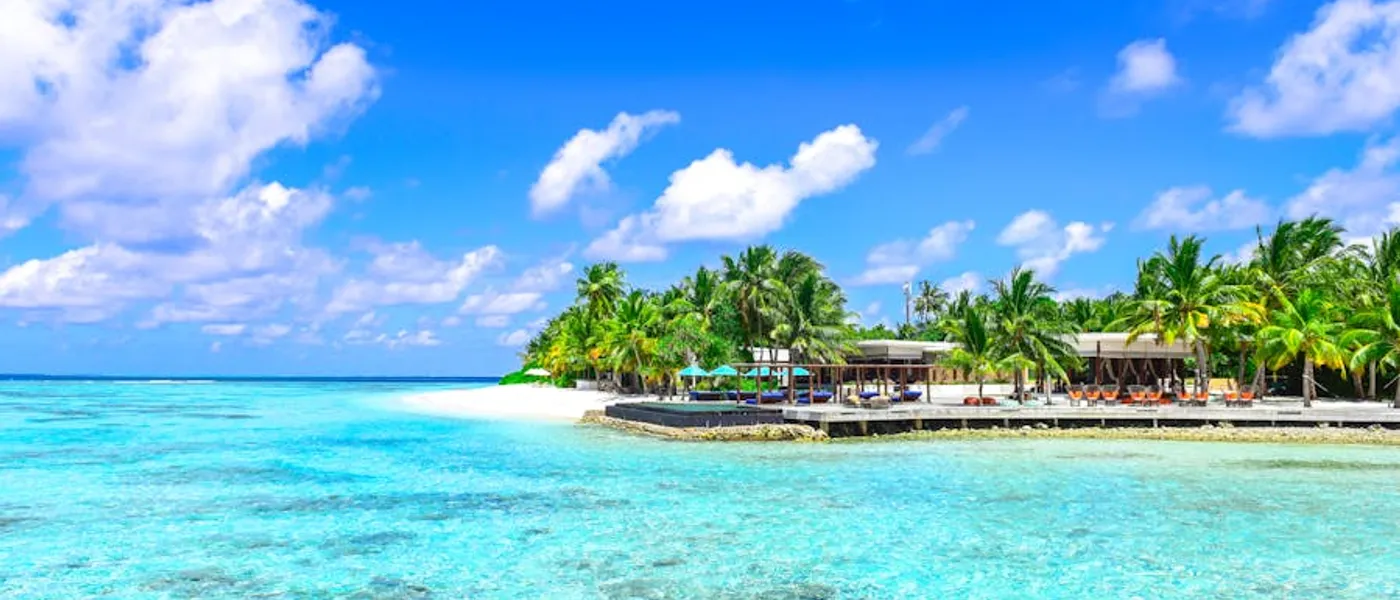
Nicknamed the garden of Corsica, the Balagne spreads its olive-clad and orchard-covered hills between the snow-dusted peaks of the mountain spine and the turquoise waters of the Gulf of Calvi. This north-western region of the island charms with a rare harmony between its landscapes, its village heritage and its art of living. Nowhere else in Corsica are stone villages so numerous, so beautiful and so alive.
From Calvi and its Genoese citadel to L'Ile-Rousse and its sandy beaches, from Sant'Antonino perched on its eagle's nest to Pigna the artisan village, the Balagne offers a concentrated taste of everything Corsica does best. This guide takes you on a tour of this captivating region, village by village.
Calvi: the citadel facing the sea
The upper town and citadel
Commanding the gulf from the height of its Genoese ramparts, the Calvi citadel is one of the most impressive fortified complexes in Corsica. Built in the 13th century and reinforced in the 16th, it shelters cobbled lanes, colourful houses, a baroque cathedral and what local tradition claims as the birthplace of Christopher Columbus. The panorama from the ramparts encompasses the entire Bay of Calvi and the snow-capped mountains of the interior.
The lower town centres on the marina, with its restaurant terraces, shops and markets. The atmosphere is cosmopolitan and lively, especially in summer when music festivals (jazz, polyphonic singing, world music) take over the citadel.
Calvi beach
Calvi beach is a sweeping arc of golden sand stretching nearly 5 kilometres along the bay, with the citadel as its backdrop. The water is shallow for a long way out, making it an ideal beach for families. A pine grove running alongside offers natural shade. It is one of the most beautiful urban beaches in the Mediterranean.
The hilltop villages of the Balagne
Sant'Antonino: among the most beautiful villages in France
Classified among the most beautiful villages of France, Sant'Antonino is an eagle's nest perched at 500 metres on a granite pinnacle. Founded in the 9th century, it is one of the oldest continuously inhabited villages in Corsica. Its spiral lanes, vaulted passageways and stone houses can be explored on foot in about an hour, in a labyrinth where every turn reveals a new viewpoint.
From the summit of the village, the panorama is breathtaking: the sea, the Aregno plain and the inland mountains unfold in a 360-degree circle. The terraces of the village's few restaurants invite a contemplative pause, with fresh brocciu cheese and a glass of white Patrimonio wine.
Pigna: the artisan village
Pigna is a unique workshop-village in Corsica. In the 1960s, a group of artisans and musicians set about restoring this abandoned hamlet and turning it into a centre for artisan creativity and music. The gamble paid off: today, the lanes of Pigna house workshops of luthiers, potters, sculptors, weavers and jewellers.
The Casa Musicale, a concert hall set in a former sheepfold, hosts performances of Corsican polyphonic singing and traditional music. The artisan house (Casa di l'Artigiani) displays and sells the creations of the village craftspeople. Pigna is a place of living culture, far removed from folklore, where Corsican tradition is reinvented without being distorted.
Speloncato: the balcony of the Balagne
Clinging to a rocky spur at 550 metres, Speloncato commands one of the finest panoramas in the Balagne. The village takes its name from the caves (spelonche) that riddle the mountain below. Its narrow lanes, baroque church and shaded plane-tree square compose a picture-perfect Corsican village, without the tourist crowds of Sant'Antonino.
On 8 April and 8 September, a local astronomical phenomenon draws the curious: the setting sun passes precisely through a natural hole in the rock of the neighbouring mountain, casting a beam of light into the village. This A Stella (the star) has become a small village festival.
Other notable villages
The Balagne harbours many more villages worth a detour. Lumio, on the hillside above Calvi bay, offers a dazzling view over the gulf at sunset. Aregno boasts one of the finest Romanesque churches in Corsica, the Trinita, with its naive medieval sculptures on the facade. Corbara, dominated by a 17th-century Franciscan convent, invites a meditative stroll among olive trees and chapels.
L'Ile-Rousse and the beaches
Paoli's city
Founded in 1758 by Pascal Paoli to rival the Genoese port of Calvi, L'Ile-Rousse (Isula Rossa in Corsican) takes its name from the red porphyry islets extending from the headland. The town centres on a large arcaded square (Place Paoli) bordered by ancient plane trees, where a lively covered market is held every morning.
The beaches
L'Ile-Rousse and its surroundings offer some of the finest beaches on the north-west coast. Bodri beach, reachable on foot from the town, is a sheltered sandy cove. Lotu beach and Saleccia beach, in the Desert des Agriates (east of L'Ile-Rousse), are considered among the most beautiful in Corsica, with their white sand and Caribbean-like waters. They can be reached by shuttle boat, 4x4 track or a 3-hour hike.
The Trinichellu: the Balagne train
The Trinichellu, the narrow-gauge Corsican railway, links Calvi to L'Ile-Rousse along the coast for about 25 kilometres. This 45-minute journey, with stops at small seaside stations (Algajola, Bodri, Arinella beach), is one of the most enjoyable ways to travel around the Balagne in summer. Hop off wherever you like, spend the day at the beach and catch the train back.
Balagne gastronomy
The Balagne is the richest agricultural region in Corsica. Olive oil from the Balagne, produced from trees that are sometimes a thousand years old, carries an AOC designation. Corsican clementines (IGP) are grown on the coastal plain. Maquis honey, citrus preserves, ewe's and goat's milk cheese and artisan charcuterie complete an exceptional gastronomic offering.
The markets of Calvi (Tuesday and Saturday) and L'Ile-Rousse (every morning) are the best places to discover these products and meet local producers.
The Balagne in your itinerary
The Balagne deserves at least three to four days to explore the villages, enjoy the beaches and soak up the atmosphere. From Calvi, full-day boat excursions to the Scandola Reserve are possible. Cap Corse is reachable in 2 hours 30 minutes by road via Bastia.
To discover all the regions of Corsica and build your ideal itinerary, see our dedicated guide. And for an overview of the island's activities, our complete guide to excursions in Corsica is your travel companion.
Frequently asked questions
How do I get to the Balagne?
Which villages should I visit first in the Balagne?
Are the Balagne beaches suitable for families?
What is the best season to visit the Balagne?
Ready to explore Corsica?
Check our guides to plan your excursions, hikes and boat trips to the most beautiful spots on the island.
See the full guide