
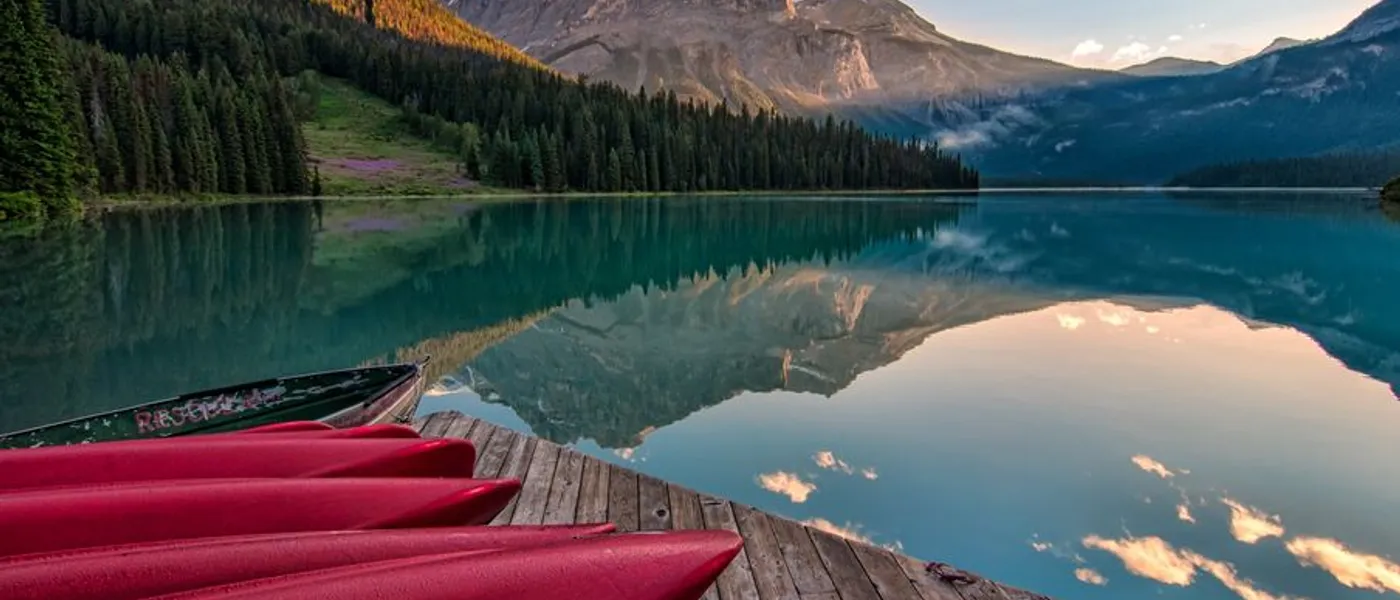
Cap Corse is a world apart. This 40-kilometre peninsula pointing northward concentrates an extraordinary density of landscapes, villages and heritage within a narrow strip of land, making it one of the most beautiful coastal drives in the Mediterranean. Cliffs plunging into the sea, fishing hamlets tucked in the crook of coves, Genoese watchtowers scanning the horizon, terraced vineyards clinging to the slopes: every bend in the road reveals a new tableau.
The Cap Corse road trip is a classic Corsican journey. In a day or two, you drive along a wild coastline that seems at times to belong to another century. This guide takes you village by village, from Bastia to the northern tip and back, with the unmissable stops and the hidden treasures that only regulars know.
The east coast: Bastia to Macinaggio
Erbalunga, the first gem
Just 10 kilometres north of Bastia, Erbalunga is the first essential stop. This fishing hamlet, arranged around a tiny harbour and topped by the ruins of a Genoese tower, has a charm that stops you in your tracks. Colourfully shuttered houses plunge straight into the sea, fishing nets dry on the quays, and seafood restaurants invite a lingering pause.
Erbalunga also has a strong cultural reputation. The village hosts a summer music festival each year that draws acclaimed artists to an intimate setting. It is a place where Corsican culture expresses itself with finesse.
Sisco and its Romanesque chapels
The commune of Sisco, terraced between the sea and the mountain, is home to several Pisan Romanesque chapels dating from the 11th and 12th centuries. The San Michele chapel, perched among olive trees, is a jewel of medieval architecture. The marina of Sisco offers a quiet pebble beach, off the main tourist trail.
Macinaggio and the customs officers' trail
Macinaggio, on the north-east coast, is the main port at the tip of the Cap. It is the starting point for the famous customs officers' trail, a 26-kilometre coastal path that circles the northern point of Cap Corse to Centuri. This trail, once used by customs officers patrolling for smugglers, traverses an unspoilt coastline punctuated by Genoese towers, deserted coves and wind-buffeted maquis landscapes.
The most accessible section runs from Macinaggio to Tamarone beach (45 minutes each way), a white sand bay protected by the Coastal Conservancy. Continuing further, you reach the Santa Maria tower and the Finocchiarola Islands, a tiny archipelago classified as a nature reserve.
The northern tip: Barcaggio and the Giraglia island
The end of the Corsican world
Barcaggio is the northernmost village in Corsica. At the end of a narrow road, this hamlet of a few houses faces the Giraglia island, a rock topped by a lighthouse marking the northern extremity of the island. Barcaggio beach, a wide stretch of sand bordered by dunes, has a wild and wistful beauty. The wind often blows here, a reminder that the sea rules this place.
The Giraglia island, accessible only by boat, is a protected site where seabirds nest. Its lighthouse, automated since the 1990s, keeps solitary watch over the strait between Corsica and the island of Capraia.
The west coast: Centuri to Nonza
Centuri: the lobster port
Centuri is the most picturesque fishing port on Cap Corse, and France's leading lobster fishing harbour. Colourful boats bob in a tiny inlet surrounded by green schist houses. The harbour restaurants serve freshly caught grilled lobster, paired with muscat wine from the Cap. It is the gastronomic stop of the Cap Corse tour, and many consider this the place for the finest seafood in Corsica.
The Mattei windmill and the corniche road
Between Centuri and the Col de la Serra, the restored Mattei windmill, perched on a ridge, offers a 360-degree panorama of sea and mountains. It is one of the most iconic viewpoints on Cap Corse, immortalised on countless postcards.
The road descending south along the west coast is narrower and more winding than the east coast road. It hugs the mountainside above the sea, with hairpin bends and sheer drops. Driving requires caution, but the landscapes are incomparably wild and beautiful.
Nonza: the spectacular village
Nonza is perhaps the most spectacular village on Cap Corse. Perched on a black cliff that towers 100 metres above the sea, it commands a sweeping panorama over the west coast and its famous black sand beach. This beach, made up of schist and residue from a former asbestos mine (safe today), stretches for several hundred metres below the village.
Access to the beach is via a steep stairway of several hundred steps. The climb back is a workout, but swimming in the turquoise waters at the foot of the black cliff is a one-of-a-kind experience in Corsica. The tower at the top of the village offers the most photographed view on all of Cap Corse.
The heritage of Cap Corse
Genoese towers
Cap Corse has the highest concentration of Genoese towers on the island. These watchtowers, built in the 16th and 17th centuries to guard the coast against Barbary raids, dot the shoreline every few kilometres. Some lie in ruins, others are beautifully restored. They form a fascinating heritage thread throughout the drive.
The Americans' houses
Cap Corse is famous for its Americans' houses (or palazzi), grand residences built in the 19th and early 20th centuries by Corsican emigrants who returned from the Americas having made their fortunes (mainly from Venezuela, Puerto Rico and the French West Indies). Recognisable by their imposing size, colourful facades and citrus gardens, they bear witness to an era when Cap Corse was turned toward the open sea.
Muscat du Cap Corse
Muscat du Cap Corse is the island's only AOC-designated sweet wine. This amber wine, made from muscat grapes grown on terraces, pairs beautifully with dessert or can be sipped as an aperitif watching the sunset. Several vineyards welcome visitors for tastings, particularly around Patrimonio and in the east coast villages.
Practical tips for the Cap Corse drive
Route and timing
The full circuit covers approximately 120 kilometres from Bastia. Driving without stopping (not recommended) takes 3 to 4 hours. For a full day of exploration with village stops, lunch in Centuri and a swim, leave early in the morning (8am) and plan to return by late afternoon. Ideally, allow two days, with an overnight in a west coast village.
Driving
The west coast road is narrow and twisting. In summer, passing other vehicles (and sometimes campervans) requires patience and courtesy. Choose a compact vehicle. The clockwise direction (east coast then west coast) is preferable as it places you on the mountain side on the narrowest stretch.
Cap Corse in your trip
Cap Corse combines naturally with a stay in Bastia or the Nebbio region (Saint-Florent, Desert des Agriates). From Bastia, you can continue to the Balagne via the coast road or through the interior. For a full overview of all Corsican regions, see our dedicated guide.
And to plan all your activities on the island, our complete guide to excursions in Corsica will give you everything you need to build a memorable itinerary.
Frequently asked questions
How long does it take to drive around Cap Corse?
Which direction should I drive around Cap Corse?
How difficult is the customs officers' trail on Cap Corse?
What are the best beaches on Cap Corse?
Ready to explore Corsica?
Check our guides to plan your excursions, hikes and boat trips to the most beautiful spots on the island.
See the full guide