
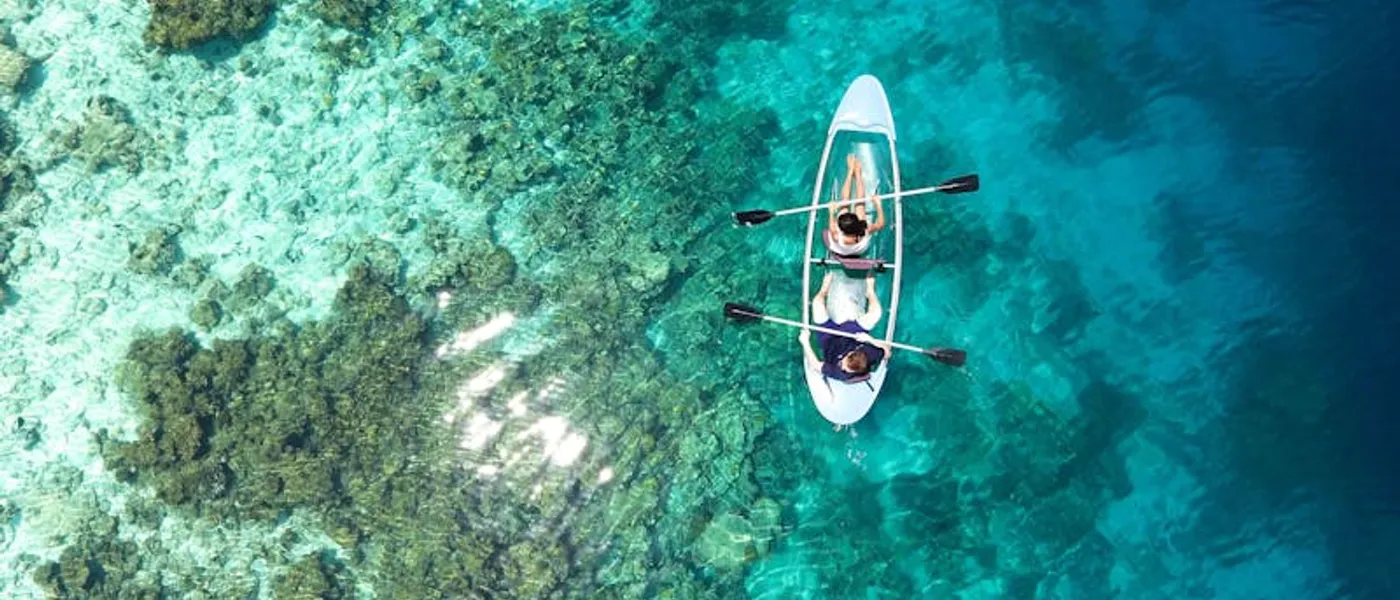
The Gulf of Porto is arguably the most spectacular landscape ensemble in Corsica, and one of the most remarkable in the entire Mediterranean. Listed as a UNESCO World Heritage Site since 1983, it brings together on a single stretch of coast the red granite calanques of Piana, the volcanic Scandola Nature Reserve, the wild Spelunca gorges and waters of extraordinary transparency. It is a concentrated dose of everything Corsican nature does at its most grand.
This guide covers the entire Porto and Piana region: natural sites, villages, boat excursions, hikes and practical tips for making the most of this west coast that is like no other.
The Gulf of Porto: geography of a UNESCO site
A gulf framed by natural monuments
The Gulf of Porto faces west, flanked to the north by the Scandola peninsula and to the south by the Piana calanques. Between these two listed extremities, the coast unfolds red cliffs, secret coves and pebble beaches bordered by maquis. The Genoese tower of Porto, a square sentinel perched on a rock above the marina, is the symbol of the gulf.
The UNESCO listing covers an exceptional perimeter: the Scandola Nature Reserve (land and sea), the Piana calanques, the Gulf of Girolata and the Gulf of Porto itself. It is one of the rare sites in the world to combine such geological diversity (granite, porphyry, rhyolite) with intact marine and terrestrial biodiversity.
The colours of the gulf
What strikes you on arriving at the Gulf of Porto is the colour. The pink and red granite of the calanques blazes under the setting sun. The waters shift from deep blue to turquoise depending on the depth and the hour. The dark green of the maquis and maritime pines contrasts with the mineral rawness of the cliffs. And the sunsets over the gulf, facing due west, are among the most beautiful in France.
Porto: the village at the heart of the gulf
The marina and the Genoese tower
Porto is a village-resort organised around two poles: the marina (the port) by the sea and the upper village on the D81, linked by a winding one-kilometre road. The Porto Genoese tower, built in 1549, is one of the best-preserved in Corsica. Restored and open to the public, it offers a circular panorama from its summit over the gulf, calanques and mountains.
Porto marina is the departure point for boat excursions to Scandola and the calanques. Several operators run daily trips in season. It is also the main swimming spot, with a pebble beach framed by red cliffs and a century-old eucalyptus tree providing shade on the bank.
The Spelunca gorges
Above Porto, the Spelunca gorges cut deep into the mountains toward the villages of Ota and Evisa. The Porto torrent has carved a deep canyon here, spanned by Genoese stone bridges (the Zaglia and Pianella bridges). The trail connecting Ota to Evisa along the gorge floor is one of the finest hikes in the region: 4 hours round trip for about 500 metres of elevation gain, with sections along dizzying rock walls and swimming pools in the torrent below.
Piana: the village of the calanques
One of the most beautiful villages in France
Classified among the most beautiful villages in France, Piana is a pink granite village set on a promontory overlooking the gulf from 438 metres. Its colourful facades (pink, ochre, terracotta), its white parish church and its flower-filled lanes compose an ideal Mediterranean tableau. The view from the village terrace, with the gulf below and the mountains behind, is one of the finest in Corsica.
Piana is the overland access point to the Piana calanques. The D81 descending toward Porto cuts through the heart of the rock formations for 7 kilometres, offering dizzying views of red granite pillars and the sea below.
Trails from Piana
Several waymarked trails let you explore the calanques on foot from Piana. The Chateau Fort trail (20 minutes each way) leads to a natural viewpoint with a plunging vista over the gulf. The Mule Track descends toward the sea through the rock formations (1h30 each way). The trail to Arone beach, further south, leads to one of the rare sandy beaches on the west coast (also accessible by road).
Boat excursions from Porto
Scandola and Girolata
The excursion to the Scandola Reserve and Girolata village is the absolute must-do of the region. Departure from Porto marina, cruising along the north coast of the gulf, discovery of the volcanic cliffs of Scandola, stopover at Girolata. Half-day (3 to 4 hours) or full day including the calanques.
The calanques by sea
The Piana calanques seen from the sea reveal caves, arches and formations invisible from the road. Rigid-inflatable boats can enter the cavities and stop for swimming in secluded coves. Allow about 2 hours for a calanques-only trip.
Hikes in the region
The Capo Rosso trail
Capo Rosso (Capu Rossu) is a red granite headland jutting into the sea south of the gulf. The hike to the Turghio tower at the tip of the cape offers spectacular views over the calanques, the gulf and the open sea. Allow 3 hours 30 minutes round trip for 300 metres of elevation gain. The trail is sun-exposed: set off early in the morning or late in the afternoon.
The Aitone forest
Above Evisa, the Aitone forest is a cathedral of centuries-old laricio pines, some reaching 50 metres in height. Shaded trails lead to the natural pools of Aitone, basins carved into the granite by mountain torrents. The forest is a welcome refuge on hot days, with its cool undergrowth and waterfalls.
Practical tips
Access and getting around
Porto is reached via the D81 from Ajaccio (1h45 via the Col de Verghio or 2h via the coast through Cargese). From Calvi, allow 2h30 via the mountain road over the Col de la Croix. The corniche road between Porto and Calvi is among the most spectacular but also the most demanding in Corsica. A car is essential for exploring the region.
When to visit
The Gulf of Porto is magnificent year-round, but boat excursions run from April to October. The months of May-June and September offer the best conditions: exceptional light, pleasant temperatures, calm seas and moderate crowds. In July-August, excursions often sell out and the calanques road gets congested in the late afternoon.
Porto-Piana in your Corsica trip
The Porto-Piana region is an essential stop on any trip to Corsica. Combine it with a visit to the Balagne to the north or a stop in Corte to the east. The Piana calanques and the Scandola Reserve each deserve their own dedicated time.
For a comprehensive view of all Corsican regions and all available excursions, see our dedicated guides. Corsica overflows with treasures, and the Gulf of Porto is just one of them -- albeit among the most dazzling.
Frequently asked questions
How many days should I spend at the Gulf of Porto?
Where should I stay in the Porto-Piana area?
Can I visit the Piana calanques without a car?
Is the road from Porto to Calvi manageable?
Ready to explore Corsica?
Check our guides to plan your excursions, hikes and boat trips to the most beautiful spots on the island.
See the full guide